
Urban farming is transforming Bucharest into a greener and more sustainable city. These initiatives bring agriculture into the urban environment, providing fresh produce, enhancing biodiversity, and creating green spaces that improve residents’ quality of life.
One prominent urban farming project in Bucharest is the “Grădina din Gura Siriului” community garden. Located in the heart of the city, this garden offers residents a space to grow their own vegetables, herbs, and flowers. The garden promotes sustainable agriculture practices, such as organic farming and composting, and serves as an educational platform for the community. Workshops and events held at the garden teach participants about gardening techniques, environmental stewardship, and the benefits of locally grown food.
Rooftop gardens are also becoming increasingly popular in Bucharest. These gardens utilize unused rooftop spaces to grow vegetables, herbs, and even small fruit trees. Rooftop gardens help reduce the urban heat island effect, improve air quality, and provide a source of fresh produce for residents. Some hotels and restaurants in Bucharest have adopted rooftop gardens to supply their kitchens with fresh, organic ingredients, highlighting the potential for urban farming to support local food systems.
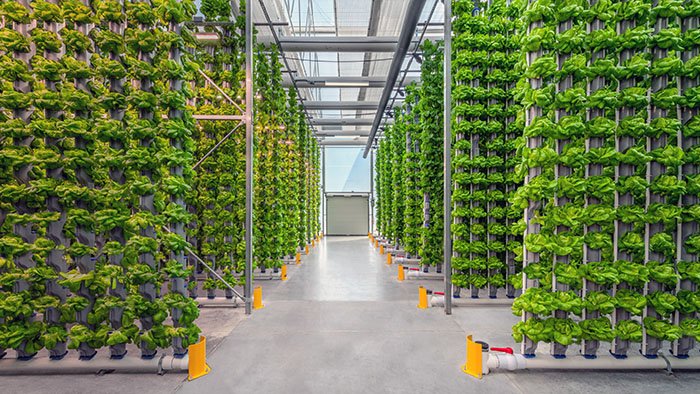
Vertical farming is another innovative approach being explored in Bucharest. Vertical farms use stacked layers to grow crops in controlled environments, maximizing space efficiency and minimizing resource use. These farms can be integrated into buildings, transforming urban spaces into productive agricultural hubs.
Urban farming projects in Bucharest not only contribute to environmental sustainability but also enhance social cohesion and community well-being. By creating green spaces and promoting local food production, urban farming is helping to transform Bucharest into a vibrant and sustainable city.