

Romania’s renewable energy sector is poised for significant growth, driven by a combination of favorable policies, technological advancements, and increasing environmental awareness. Currently, Romania relies heavily on hydroelectric power, but the future of renewable energy in the country looks increasingly diverse and promising.
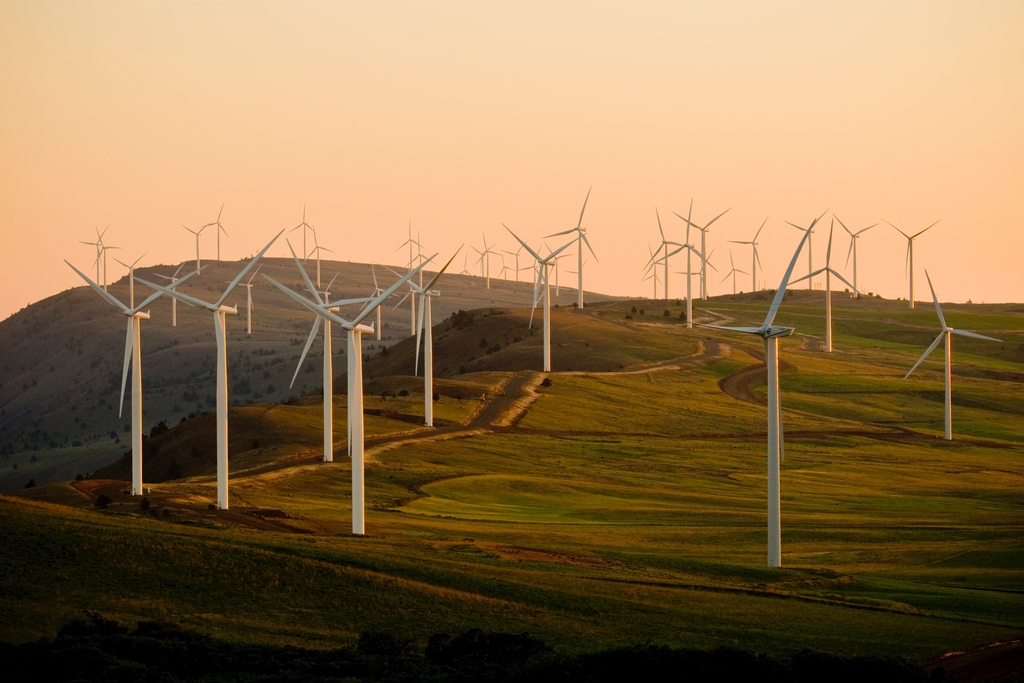
One of the key trends is the expansion of wind energy. Romania’s vast plains and coastal areas offer ideal conditions for wind farms, and several large-scale projects are already in operation. The government’s commitment to increasing the share of renewable energy in the national grid, coupled with EU funding and incentives, is likely to spur further investment in wind energy infrastructure.
Solar energy is another area with substantial potential. Advances in photovoltaic technology and decreasing costs of solar panels are making solar energy more accessible and attractive. Rooftop solar installations are becoming increasingly popular among households and businesses, contributing to decentralized energy production and reducing reliance on traditional power sources.
Biomass and biogas are also gaining traction as viable renewable energy sources in Romania. The agricultural sector generates significant amounts of organic waste, which can be converted into energy through anaerobic digestion. This not only provides a renewable energy source but also helps manage agricultural waste effectively.
Looking ahead, Romania is expected to continue diversifying its renewable energy portfolio. The integration of smart grid technologies and energy storage solutions will enhance the efficiency and reliability of renewable energy systems. By capitalizing on its natural resources and technological innovations, Romania can achieve its renewable energy targets and contribute to a sustainable energy future.