
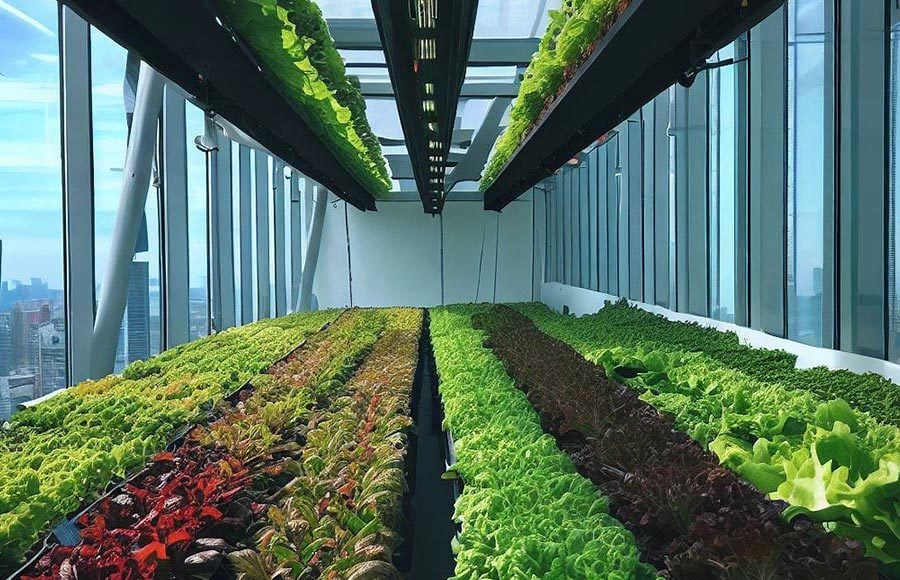
Urban farming and sustainable agriculture are transforming the way we think about food production, offering numerous environmental, economic, and social benefits. These practices bring food production closer to urban populations, reducing the need for long-distance transportation and lowering carbon emissions.
One of the most significant benefits of urban farming is its contribution to food security. By growing food locally, cities can become more self-sufficient and less reliant on external sources. This resilience is particularly important in times of crisis, such as natural disasters or supply chain disruptions. Additionally, urban farms can provide fresh, nutritious produce to communities that may lack access to healthy food options.
Sustainable agriculture practices, such as organic farming, permaculture, and agroecology, focus on preserving soil health, conserving water, and promoting biodiversity. These methods reduce the use of synthetic fertilizers and pesticides, minimizing environmental pollution and protecting ecosystems. Urban farms often incorporate these principles, creating green spaces that enhance urban biodiversity and improve air quality.
Economically, urban farming can create job opportunities and stimulate local economies. Community gardens and rooftop farms provide spaces for education and engagement, fostering a sense of community and connection to nature. These initiatives also promote healthier lifestyles by encouraging physical activity and providing access to fresh produce.
Moreover, urban farming and sustainable agriculture contribute to climate resilience. By integrating green spaces into urban environments, cities can mitigate the urban heat island effect, manage stormwater runoff, and improve overall climate adaptability. These practices represent a forward-thinking approach to urban development, emphasizing sustainability and environmental stewardship.