

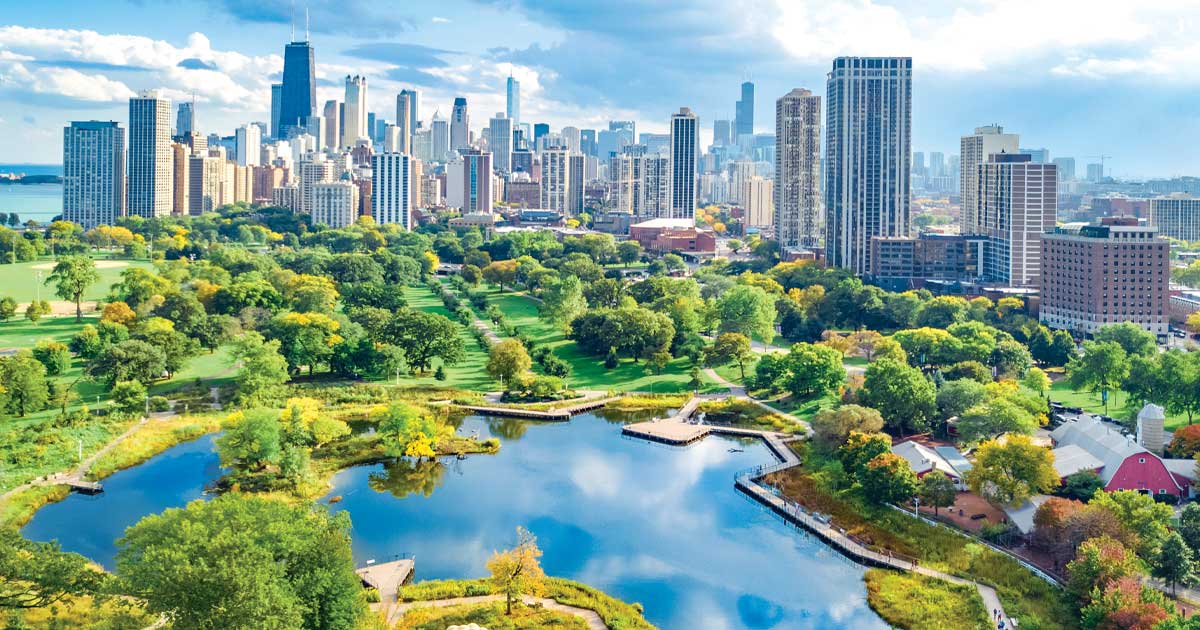
Building sustainable cities is essential for addressing the environmental challenges of urbanization while improving the quality of life for residents. Sustainable urban development focuses on creating cities that are environmentally responsible, economically viable, and socially inclusive.
One key strategy is the integration of green infrastructure. Green roofs, urban parks, and vertical gardens enhance biodiversity, reduce the urban heat island effect, and improve air quality. These green spaces also provide recreational areas for residents and contribute to mental well-being. Cities like Singapore and Copenhagen are leading the way with extensive green infrastructure projects that have transformed their urban landscapes.
Transportation is another critical area for sustainability. Promoting public transportation, cycling, and walking reduces traffic congestion, lowers emissions, and improves air quality. Cities like Amsterdam and Portland have invested heavily in bike-friendly infrastructure and public transit systems, making sustainable transportation accessible and convenient for residents.
Energy efficiency is vital for sustainable cities. Implementing energy-efficient building codes, retrofitting existing buildings, and promoting the use of renewable energy sources can significantly reduce energy consumption and greenhouse gas emissions. Cities like Freiburg in Germany have pioneered the use of solar energy and energy-efficient building designs, setting a benchmark for sustainable urban development.
Waste management is also crucial. Cities must implement comprehensive recycling programs, encourage composting, and develop waste-to-energy systems to minimize landfill use. San Francisco’s zero waste initiatives, which include mandatory composting and recycling, have achieved impressive waste diversion rates.
Community engagement and education are essential for building sustainable cities. Residents must be informed and involved in sustainability initiatives, from participating in local green projects to adopting sustainable practices in their daily lives. By fostering a sense of community and shared responsibility, cities can create a culture of sustainability that supports long-term environmental goals.