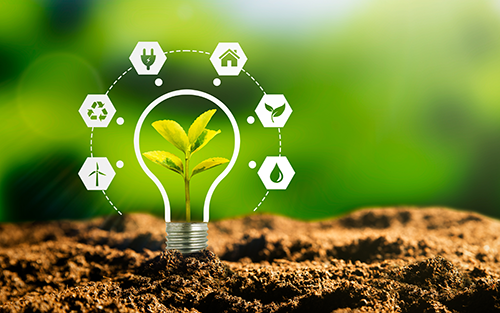

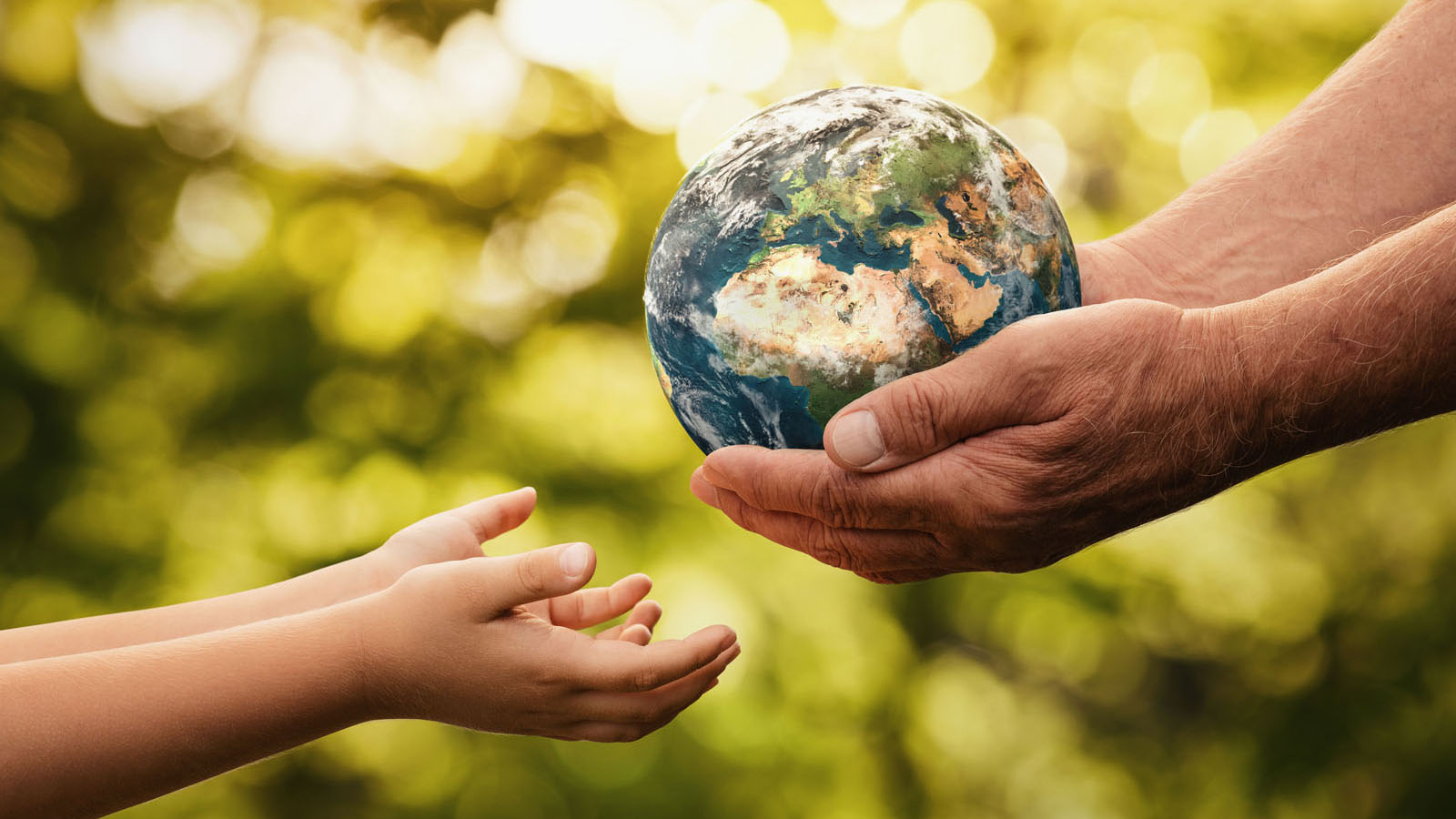
Educating the next generation about sustainability is crucial for ensuring a sustainable future. It involves instilling values, knowledge, and skills that enable young people to make informed decisions and take responsible actions to protect the environment. This education starts early, integrating sustainability concepts into school curricula and extracurricular activities.
Experiential learning plays a significant role in sustainability education. Hands-on activities such as gardening, recycling projects, and field trips to nature reserves help students connect with the environment and understand the impact of their actions. By engaging with nature directly, young people develop a sense of responsibility and stewardship towards the planet.
Incorporating technology and innovation in sustainability education is also vital. Digital tools and resources can enhance learning experiences, providing interactive and engaging ways to explore environmental topics. For instance, virtual simulations of ecosystems and climate change scenarios can make abstract concepts more tangible and relatable.
Furthermore, fostering critical thinking and problem-solving skills is essential. Students should be encouraged to explore real-world environmental issues, analyze their causes, and propose solutions. This empowers them to become active participants in sustainability initiatives and advocates for positive change in their communities.
By prioritizing sustainability education, we equip the next generation with the knowledge and motivation to address environmental challenges and contribute to a sustainable future. This investment in education is fundamental for building a resilient and environmentally conscious society.