

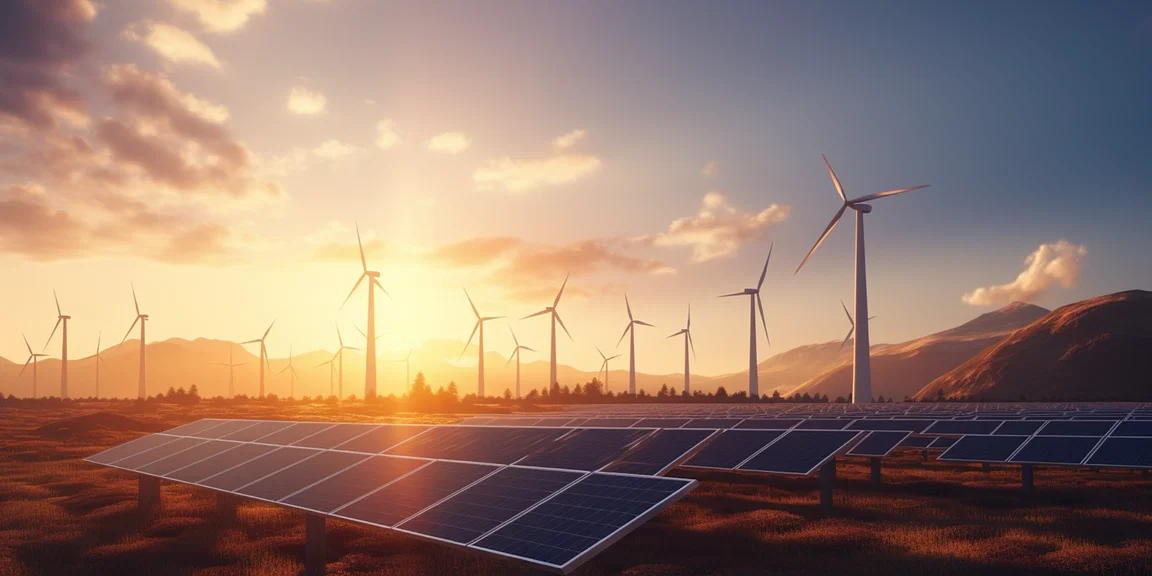
Renewable energy is at the forefront of global efforts to combat climate change. Here are some key trends and predictions for the future of renewable energy:
1. Solar Power Dominance Solar power is expected to become the largest source of renewable energy, with advancements in photovoltaic technology reducing costs and increasing efficiency. Floating solar farms and solar-integrated buildings are also set to expand.
2. Wind Energy Growth Offshore wind farms are growing rapidly, taking advantage of stronger and more consistent winds at sea. Innovations like floating wind turbines are making it possible to harness wind energy in deeper waters.
3. Energy Storage Solutions Improved battery technology will be crucial for storing renewable energy. Advances in lithium-ion and emerging technologies like solid-state batteries and flow batteries will enhance energy storage capacity and efficiency.
4. Hydrogen Economy Green hydrogen, produced using renewable energy, is poised to become a major energy carrier. It can be used in sectors that are difficult to electrify, such as heavy industry and transportation.
5. Decentralized Energy Systems Microgrids and distributed energy systems will allow communities to generate and manage their own renewable energy, increasing resilience and reducing reliance on central power grids.
6. Integration with Smart Grids Smart grids will play a crucial role in managing the variable supply of renewable energy, using real-time data to balance supply and demand and optimize energy distribution.
7. Policy and Investment Support Government policies and investments will continue to drive the adoption of renewable energy. Subsidies, tax incentives, and regulatory frameworks will support the growth of clean energy projects.
8. Technological Innovations Ongoing research and development will lead to more efficient and cost-effective renewable energy technologies, including next-generation solar panels, advanced wind turbine designs, and innovative bioenergy solutions.
Renewable energy is at the forefront of global efforts to combat climate change. Here are some key trends and predictions for the future of renewable energy:
1. Solar Power Dominance Solar power is expected to become the largest source of renewable energy. Advancements in photovoltaic technology are reducing costs and increasing efficiency. Innovations such as floating solar farms and solar-integrated buildings are also set to expand.
2. Wind Energy Growth Offshore wind farms are growing rapidly, taking advantage of stronger and more consistent winds at sea. Innovations like floating wind turbines are making it possible to harness wind energy in deeper waters.
3. Energy Storage Solutions Improved battery technology will be crucial for storing renewable energy. Advances in lithium-ion batteries, solid-state batteries, and flow batteries will enhance energy storage capacity and efficiency.
4. Hydrogen Economy Green hydrogen, produced using renewable energy, is poised to become a major energy carrier. It can be used in sectors that are difficult to electrify, such as heavy industry and transportation.
5. Decentralized Energy Systems Microgrids and distributed energy systems will allow communities to generate and manage their own renewable energy, increasing resilience and reducing reliance on central power grids.
6. Integration with Smart Grids Smart grids will play a crucial role in managing the variable supply of renewable energy, using real-time data to balance supply and demand and optimize energy distribution.
7. Policy and Investment Support Government policies and investments will continue to drive the adoption of renewable energy. Subsidies, tax incentives, and regulatory frameworks will support the growth of clean energy projects.
8. Technological Innovations Ongoing research and development will lead to more efficient and cost-effective renewable energy technologies, including next-generation solar panels, advanced wind turbine designs, and innovative bioenergy solutions.
Case Study: Romania’s Renewable Energy Transition Romania is making significant strides in renewable energy, particularly in wind and solar power. The country’s commitment to reducing its carbon footprint is reflected in its ambitious renewable energy targets and supportive government policies. Projects like the Fantanele-Cogealac wind farm, one of the largest onshore wind farms in Europe, exemplify Romania’s progress in harnessing renewable energy sources.
The future of renewable energy looks promising, with continuous advancements and increased global commitment driving sustainable development.